
How To Store Sourdough Bread
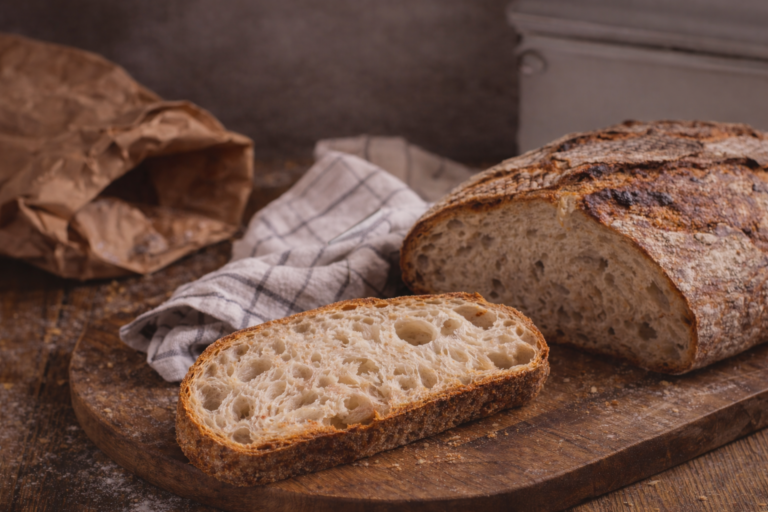
Sourdough bread is loved for its crisp crust, airy texture and deep flavor that develops from natural fermentation. Unlike regular bread, sourdough contains natural yeast and beneficial bacteria that create a unique taste and longer shelf life.
However, many people still struggle with one common problem: how to store sourdough bread without it going stale or moldy too quickly.
Sourdough bread stays fresh longer than regular bread because of its natural fermentation process, but storing it incorrectly can make it dry, soft, or moldy. The best ways to store sourdough bread include keeping it in a bread box, wrapping it in a kitchen towel, or storing it in a paper bag at room temperature. For long-term storage, freezing sliced sourdough works best.
In this guide, you’ll learn how to store sourdough bread properly, how long it lasts and the best storage techniques used by professional bakers.
Proper Storage Matters for Sourdough Bread
Sourdough bread behaves differently from regular bread because of its natural fermentation process. The acids produced during fermentation slow down mold growth and help the bread stay fresh longer.
However, the crust and crumb react strongly to air, moisture and temperature.
When sourdough is stored incorrectly:
- The crust becomes chewy instead of crisp
- The inside dries out quickly
- Mold can develop faster in humid environments
- The flavor may deteriorate
Proper storage helps maintain the signature crispy crust and soft interior that make sourdough so special.
How Long Does Sourdough Bread Stay Fresh?
Generally, a homemade sourdough loaf stays fresh for:
- 2–3 days at room temperature
- 5–7 days when refrigerated (not always recommended)
- Up to 3 months when frozen
Because sourdough contains natural preservatives from fermentation, it typically lasts longer than commercial bread without additives.
Best Ways to Store Sourdough Bread
Professional bakers usually recommend storing sourdough using methods that allow some airflow while preventing excessive moisture loss.
1. Store in a Bread Box
A bread box is one of the best storage solutions. Bread boxes create a balanced environment that maintains crust texture while preventing mold. Benefits of using a bread box:
- Maintains proper humidity levels
- Prevents the bread from drying out
- Keeps pests and contaminants away
If you bake frequently, investing in a bread box is a great idea.
2. Use a Paper Bag
A paper bag is ideal for short-term storage. It allows airflow while protecting the bread from dust and contaminants.
Steps to store sourdough in a paper bag:
- Let the bread cool completely after baking
- Place the loaf in a paper bag
- Keep it in a cool, dry place
This method works best for 1–2 days of freshness.
3. Wrap in a Kitchen Towel
Many artisan bakers wrap their sourdough loaves in a clean cotton or linen cloth. This traditional technique helps the bread breathe while protecting the crust.
Why cloth wrapping works for sourdough bread:
- Absorbs excess moisture
- Maintains crust texture
- Prevents the bread from becoming soggy
You can place the wrapped loaf in a bread basket or wooden container for better protection.
4. Store Cut Side Down
If you’ve already sliced your sourdough, one of the easiest storage hacks is to place the cut side down on a wooden cutting board.
This method helps protect the crumb from air exposure.
Many professional bakers use this technique because it naturally seals the inside of the bread.
5. Freeze Sourdough for Long-Term Storage
Freezing is the best option if you want to store sourdough for weeks or months.
How to freeze sourdough properly:
- Slice the bread before freezing
- Wrap slices in parchment paper
- Store them in an airtight freezer bag
- Label with the date
When you want to eat it, simply toast the slices directly from frozen.
This method preserves both flavor and texture.
Should You Refrigerate Sourdough Bread?
Most bakers advise avoiding refrigeration unless necessary. As the refrigerator accelerates a process called starch retrogradation, which makes bread go stale faster. However, in very humid climates, refrigeration can sometimes help prevent mold.
If you refrigerate sourdough:
- Wrap it in cloth or paper first
- Place it inside a loose plastic bag
- Reheat before serving
Signs Your Sourdough Bread Has Gone Bad
Even properly stored bread can eventually spoil. Watch for these signs:
- Visible mold (green, white, or black spots)
- Strong sour or unpleasant smell
- Very hard, dry texture
- Sticky or gummy crumb
If mold appears, it’s best to discard the entire loaf.
Is Sourdough Gluten Free?
Sourdough bread is not naturally gluten free because it is usually made with wheat flour, which contains gluten. However, the long fermentation process used in sourdough baking helps break down some of the gluten proteins, making the bread easier to digest for many people compared to regular bread.
During fermentation, natural yeast and beneficial bacteria partially digest the gluten and starches in the dough. This process can improve digestibility and reduce certain compounds that may cause bloating. However, it is important to note that:
- Traditional sourdough bread still contains gluten
- People with celiac disease should avoid regular sourdough
- Some individuals with mild gluten sensitivity may tolerate sourdough better
There are also gluten-free sourdough versions made using alternative flours such as rice flour, sorghum flour, or buckwheat flour. These breads follow similar fermentation methods but are designed specifically for people avoiding gluten.
Tips to Keep Sourdough Bread Fresh Longer
If you want bakery-quality sourdough at home, follow these expert tips:
- Always cool bread completely before storing
- Avoid plastic bags unless freezing
- Store whole loaves instead of sliced bread
- Keep bread in a cool, dry place
- Freeze extra loaves if you won’t eat them quickly
Professional bakers often bake multiple loaves and freeze them to ensure they always have fresh bread available.
Learn the Art of Sourdough Baking
If you love baking sourdough bread and want to master the craft, learning from experienced instructors can make a huge difference.
At Incredible Art, aspiring bakers can learn professional techniques through structured bakery courses online and interactive bakery classes online that teach everything from bread fermentation to pastry creation.
These programs are perfect for:
- Home bakers who want to improve their skills
- Entrepreneurs planning to start a bakery
- Anyone passionate about artisan bread
For those looking for specialized training, Incredible Art also offers a pastry course and other short term baking courses that focus on practical baking techniques and industry knowledge.
Whether you’re baking as a hobby or planning a career in baking, professional training helps you build confidence and consistency in every loaf you bake.
Ready to Master the Art of Sourdough Baking?
Learn professional bread-baking techniques, fermentation science and artisan baking skills with expert chefs at Incredible Art
Conclusion
Sourdough bread is a beautiful combination of science, patience and craftsmanship. Storing it properly ensures you can enjoy its rich flavor and texture for as long as possible.
The key principles are simple:
- Avoid airtight plastic storage
- Allow some airflow
- Freeze for long-term preservation
- Keep the loaf in a cool, dry environment
With the right storage techniques, your sourdough bread will stay fresh, flavorful and delicious for days.
And if you want to go beyond simply storing bread and truly master the craft, learning from professionals through structured baking courses can help you perfect the art of sourdough baking at home or professionally. Contact Incredible Art Academy now to know more about our professional baking courses.
FAQs
1. How should sourdough bread be stored overnight?
The best way to store sourdough overnight is to place it in a paper bag or wrap it in a clean kitchen towel and keep it at room temperature.
2. Can sourdough bread be stored in plastic bags?
Plastic bags trap moisture and soften the crust. They are generally not recommended unless freezing the bread.
3. How do you refresh stale sourdough bread?
To revive stale sourdough, lightly sprinkle water on the crust and bake it in a preheated oven at 180°C for about 5–10 minutes.
4. How long can sourdough bread sit out at room temperature?
Sourdough bread can stay fresh at room temperature for 2 to 3 days if stored properly in a paper bag, bread box, or wrapped in a kitchen towel. Avoid airtight plastic containers because they trap moisture and can cause mold.
5. Should sourdough bread be sliced before storing?
It is best to store sourdough as a whole loaf and slice only what you need. Keeping the loaf intact helps protect the crumb from air exposure and prevents it from drying out quickly.
6. What is the best container to store sourdough bread?
The best containers for storing sourdough bread include:
- Bread boxes
- Paper bags
- Linen or cotton bread bags
- Kitchen towels
These options allow the bread to breathe while maintaining the crust’s texture.
7. Why does sourdough bread become hard?
Sourdough bread becomes hard due to a natural process called starch retrogradation, where the starch molecules in the bread crystallize as it cools and ages. This causes the bread to become firm or stale over time.
8. Can you toast frozen sourdough bread?
Yes. Frozen sourdough bread can be toasted directly from the freezer. This is one of the easiest ways to enjoy sourdough without thawing the entire loaf.
9. What is the best way to reheat sourdough bread?
To refresh sourdough bread:
- Sprinkle a small amount of water on the crust
- Place it in an oven at 180°C for 5–10 minutes
This helps restore the crispy crust and soft interior.
10. Why does sourdough bread last longer than regular bread?
Sourdough bread lasts longer because the fermentation process produces natural acids that slow down mold growth. These acids act as natural preservatives, which is why sourdough typically stays fresh longer than commercially produced bread.

About the Author
Chef Rumana Jaseel
Award-Winning Pastry Chef & Founder, Incredible Art Academy
Chef Rumana Jaseel is an award-winning pastry chef and Founder of Incredible Art Academy in Kerala, with 18+ years of expertise in baking, pastry arts, and chocolate craftsmanship. She has helped hundreds of students turn their passion into successful careers.
incredible art
Contact
- VX Arcade, Kaloor, Kadavanthara Road, Kathrikadavu Junction, Kochi, Kerala 682017
- 079071 01551
- info@incredibleart.co.in
Retail Store Contact
- Marriott Hotel, The Artiste, Tribute Portfolio Hotel, Prestige Forum Mall, NH66, Bund Road, Kundannoor, Maradu, Kochi
- 079071 01551
- info@incredibleart.co.in